
Independent research on the Japanese economy and its place in Asia and the world.
The tide is turning for Japan
For two decades Japan was defined by deflation. That era is ending, and the forces that shaped Japan's economy and markets are turning with it. Japan is going through a regime change. Inflation has returned, the Bank of Japan is normalizing its policy rate and its balance sheet, and JGB yields have moved from the old normal of the last thirty years to a new one. Japan has a fiscal problem, not a fiscal crisis. Its debt is long-dated, much of it at low fixed coupons, and backed by large financial assets. The next big story is a rebalancing of Japanese capital toward the yen, as pension funds, banks and households find a return on yen assets again.
After twenty years of deflation, we are excited to see Japan entering a new era. Yen Macro Research analyses Japan's economy, monetary policy and markets with data and economic theory. Where official statistics stop short, we build our own data series and models, and we read Japanese primary sources first-hand. Japan cannot be understood apart from a global order that is now in flux. Trade wars, the credibility of the Federal Reserve, the dollar's role in world reserves and China's place in Asian supply chains all bear on Japan, and Japan's capital in turn moves markets abroad. Our aim is to explain Japan in that global and geopolitical context, and to explain the world from Japan.
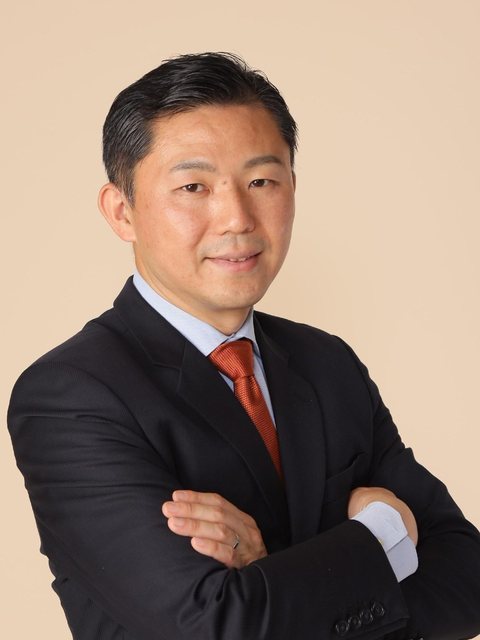
Takuji Okubo, Managing Director and Chief Economist
Current focus: Bank of Japan policy, JGB yields and the yen. For recent research, see here.
Our view
November 2026
Deflation is over
Inflation reached Japan in 2022, and long-run inflation expectations have risen with it. The Bank of Japan began raising rates in 2024, its first hikes since 2007. Japan is in new territory for policy, companies and households.
Returning to the World I Never Left (18 May 2026)
JGB yields have returned to normal
The 40-year JGB yield rose from below 1% in 2022 to around 4% by mid-2026. We read the climb as a passage from artificially low yields to normal ones, driven by higher inflation expectations and the Bank of Japan's exit from bond buying. We see little sign of a fiscal risk premium.
The Long Climb in JGB Yields Is Nearly Over (20 July 2026)
Japanese capital is rebalancing toward the yen
Japan has been a provider of capital to the world since the 1980s, buying foreign securities worth 2–3% of GDP a year, and it will remain one in the long term. But the flow has always ebbed and flowed. With yen yields at 30-year highs, banks are selling foreign bonds and buying JGBs, and pension funds have reason to hold more yen bonds. In our view, a rebalancing toward the yen has begun.
Yen Repatriation: The Tide Is Turning (20 October 2026)
What we cover
- Bank of Japan policy Rate decisions, the balance sheet, and the views of Policy Board members.
- JGB yields The yield curve, the term premium, and who holds the bonds.
- The yen What moves the exchange rate.
- The Japanese economy Growth, inflation, wages and the labour market.
- Fiscal sustainability Japan's public debt and how it is financed.
- Capital flows How pension funds, households and companies move capital in and out of Japan.
- Asia and geopolitics China, regional trade and investment, and global events that bear on Japan.
About
Takuji Okubo
Managing Director and Chief Economist
Takuji Okubo launched Yen Macro Research in 2026.
He began covering the Japanese economy in 1997 as a sell-side economist at Goldman Sachs and Merrill Lynch, and was Chief Economist for Japan at Société Générale. In 2012 he founded Japan Macro Advisors, an independent research firm.
He then joined The Economist Group as Director for Northeast Asia, in charge of the Economist Corporate Network in Japan and South Korea. He was later Global Head of Thought Leadership at NEC, and Country Representative and then Senior Advisor at G3.
He studied economics at the University of Tokyo, holds an MBA from INSEAD, and spent three years in the doctoral programme in finance at Universitat Pompeu Fabra, Barcelona.